Purpose of Use details updated Jan. 30, 2012.
Read MoreAround the world, research using animals has played an essential role in almost every major health advance for both humans and animals.
Medical milestones such as antibiotics, anesthetics, heart valve replacements and vaccines to prevent rabies in companion animals have all involved animal research. Since 1901, almost every Nobel Prize in Medicine has been awarded for innovations dependent on data from animal models. Also, new medicines and treatment must be evaluated in a living organism before being given to humans, according to federal government requirements.
At UBC, animal research is a privilege to be used only when no alternative is possible. It’s true that non-animal techniques, such as cell cultures and computer simulations, are important. However, these methods cannot yet mirror the complicated and sometimes unpredictable processes of a living system.
We take animal research very seriously and respect the unique contribution animals make to improving health, preventing disease and saving lives. Our investigators, veterinarians and animal care technicians are all committed to humane animal care. UBC subscribes to the 3Rs principles of animal use: Replacement, Reduction and Refinement. Investigators carefully design research projects and continually refine procedures to reduce the number of animals used and replace them, where possible, with non-animal methods.
Research and facilities involving animals are rigorously reviewed, inspected and regulated at federal and institutional levels.
UBC has one of the largest research communities in Canada and attracts the second-highest amount of health research funding in Canada. We stand behind the important contributions made by our dedicated investigators and encourage you to learn more about their research results and methods by accessing scientific journals where research is published. Through this website, we aim to increase public understanding of the of the process and benefits of animal research at UBC and beyond.
The first human-to-human heart transplant, performed in 1967, was preceded by decades of preparatory animal research.
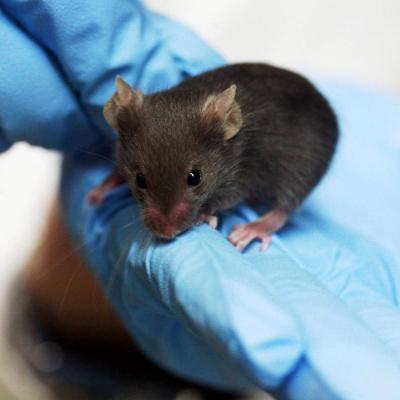
BenefitsTreatment for leukemia, the most common cancer affecting children, relied on early research in mice.
BenefitsResearch to develop treatments for asthma has included studies on frogs and guinea pigs.
BenefitsPigs and humans both have complex anatomy and body functioning. By working with pigs, scientists have been able to develop new heart therapies, skin grafts and imaging technologies.
BenefitsBy studying the venom of the Brazilian pit viper, researchers were able to develop the first of a new class of medicines to lower blood pressure.
BenefitsResearch using monkeys has been critical to developing a life-changing treatment for Parkinson’s disease.
BenefitsAmphetamine Spurs Slackers to Work and Workers to Slack — at Least For Rats
http://healthland.time.com/2012/03/29/amphetamine-spurs-slackers-to-work-and-workers-to-slack-at-least-for-rats/
Coffee and other stimulant drugs may cause high achievers to slack off: UBC study
http://www.publicaffairs.ubc.ca/2012/03/28/coffee-and-other-stimulant-drugs-may-cause-high-achievers-to-slack-off-ubc-study/
UBC animal research vindicated by Canadian Council on Animal Care
http://www.publicaffairs.ubc.ca/2012/03/19/ubc-animal-research-vindicated-by-federal-regulator/
Why animal research is more essential than ever
John Hepburn, UBC Vice President Research and International, makes the case for animal research in the Vancouver Sun of Monday, March 12th 2012 (page A-7)
University of Toronto clarifies position on primate research
Nature's Newsblog, a more nuanced description of U of T's commitment to projects involving non-human primates.
http://blogs.nature.com/news/2012/03/university-of-toronto-refines-stance-on-research-primates.html#wpn-more-16112
Science blogger assesses allegations
Speaking of Research science blogger comments on allegations being made about a recent UBC Parkinson’s study.
http://speakingofresearch.com/2012/03/06/stop-lying-about-research-at-the-university-of-british-columbia/
Transparency ensures ideals met
UBC's new methods of looking at the ethics of animal research are leading the way to an improved future, says Judy Illes, Canada Research Chair in Neuroethics, in a Vancouver Sun op-ed.
http://www.vancouversun.com/health/Transparency+ensures+ideals/5673327/story.html
The Ethics of Life, Use and Care is the first lecture in the Bringing the Collective Together: Nonhuman Animals, Humans and Practice at the University thematic series at Green College.
The presentation will focus on questions of ethics that interrogate habits of thought in the humanities and sciences.
http://www.greencollege.ubc.ca/whats_on/index/main3/events/category99.php
Download the full document, Ethical and humane research involving animals at the University of British Columbia (PDF | 500KB).